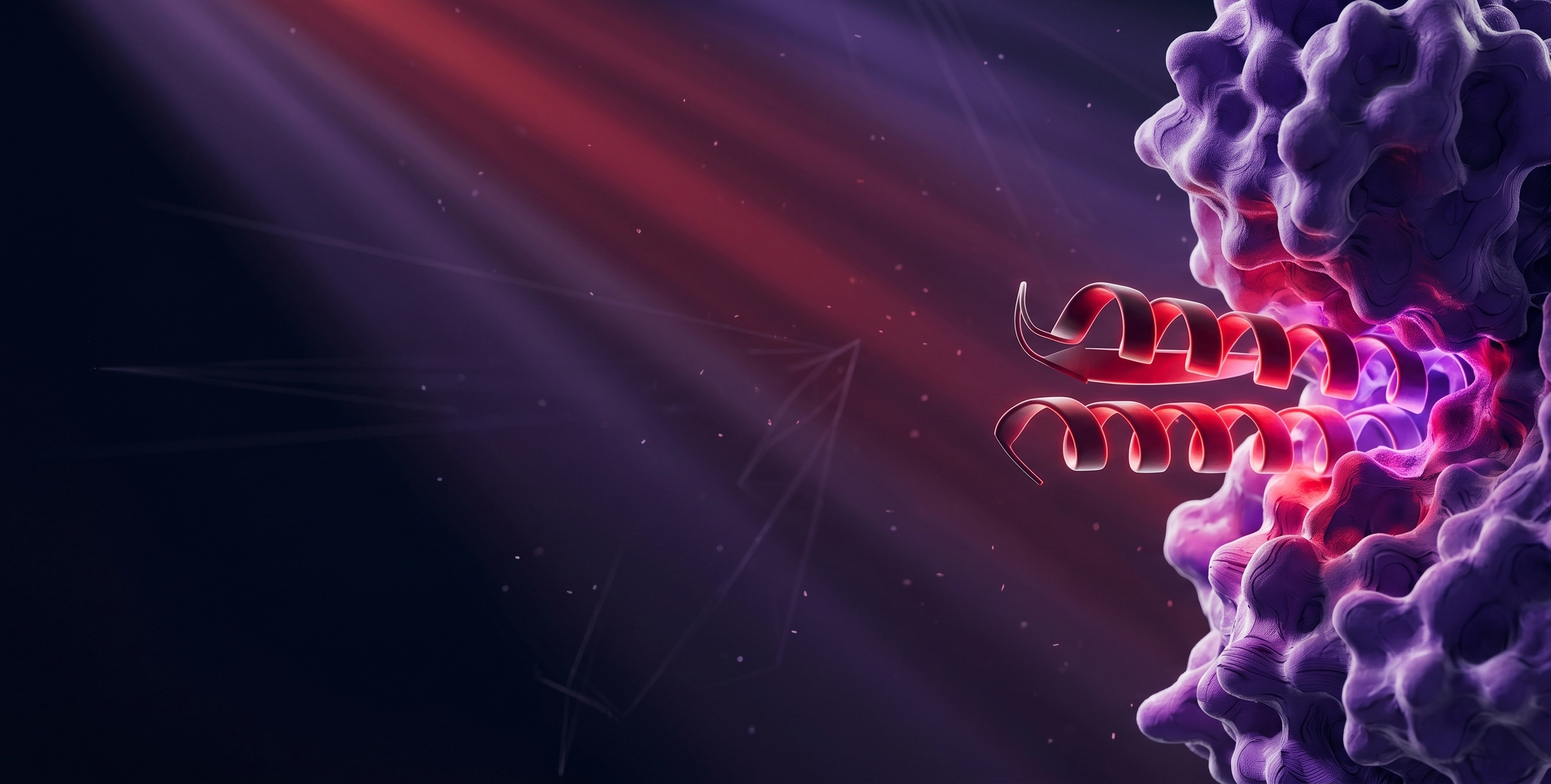
Your knockout takes the whole protein. Your small molecule needs a pocket it can't find. There's a third option. The tool just wasn't available yet.
As a scientist, you might not have been told that engineered protein binders are an option for your research. That is not a gap in your training, it is a gap in how the field communicates.
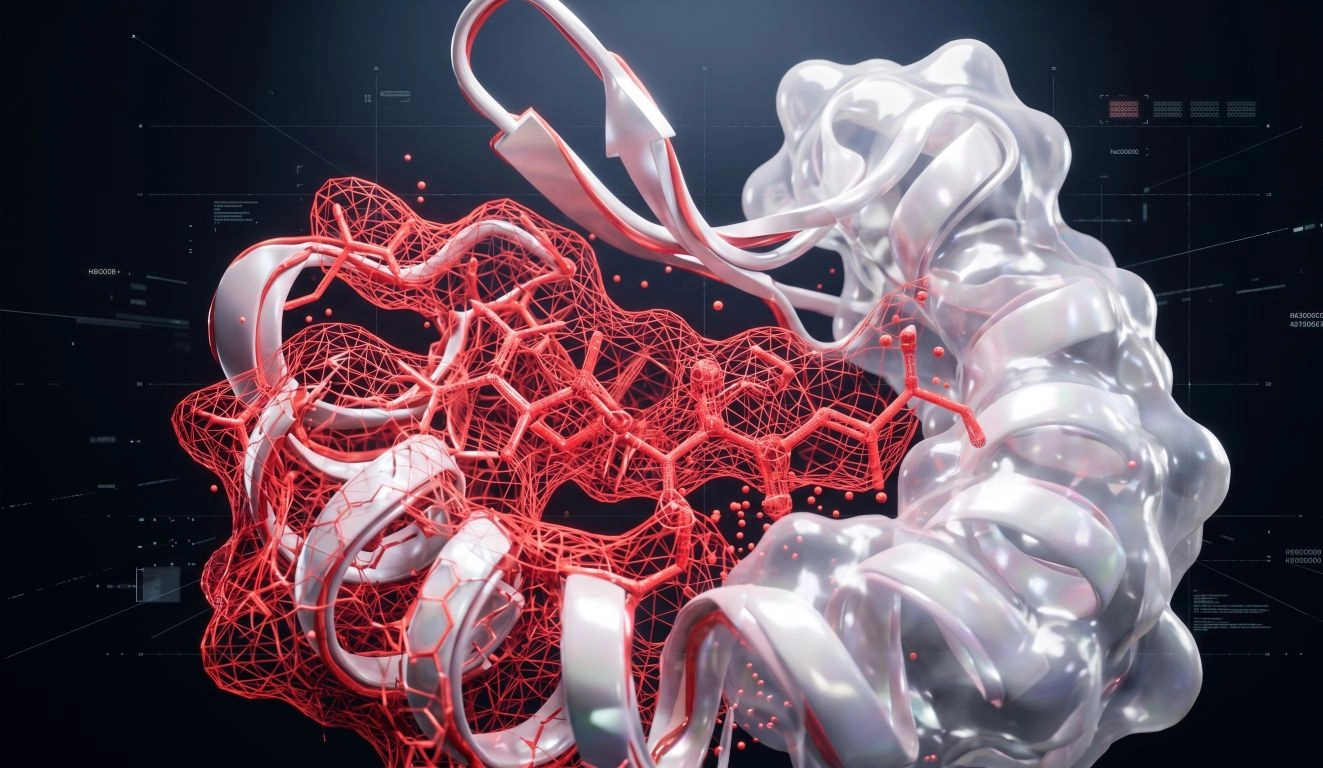
A protein binder is a precision molecular tool that engages one surface on one protein, letting you disrupt the interaction you have been circling for years without needing a pocket, a knockout, or off-target noise.
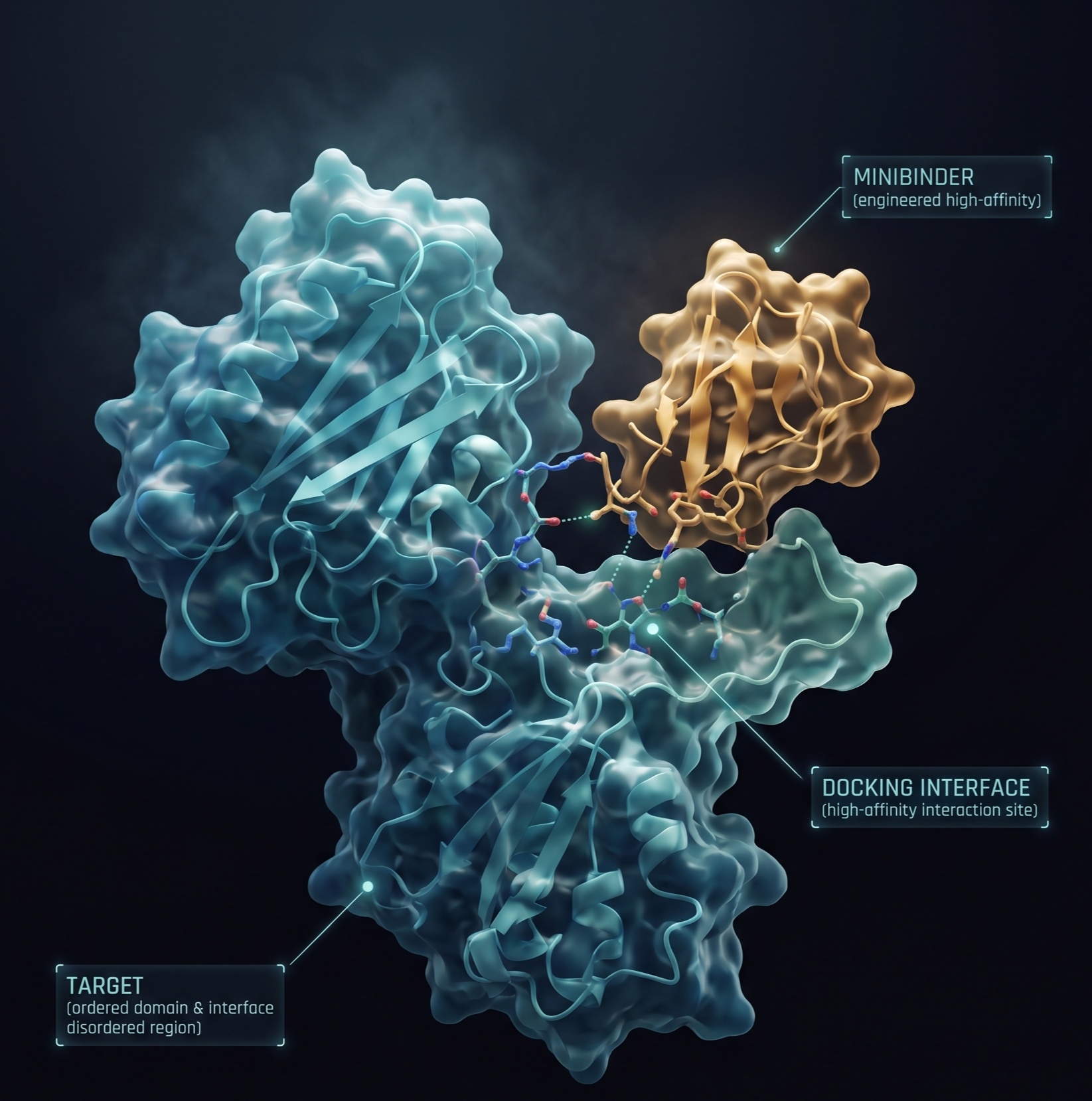
One surface. Target the interface directly with no pocket geometry required.
One domain. Silence the function you care about while the rest of your protein stays intact.
Cell validated. Confirmed by a cell-based assay before it reaches your bench, delivered as a research-ready reagent that fits your existing workflow with no new equipment required.
By exploiting native cellular regulation mechanisms, you can engineer high-precision binders to execute completely distinct therapeutic modalities.
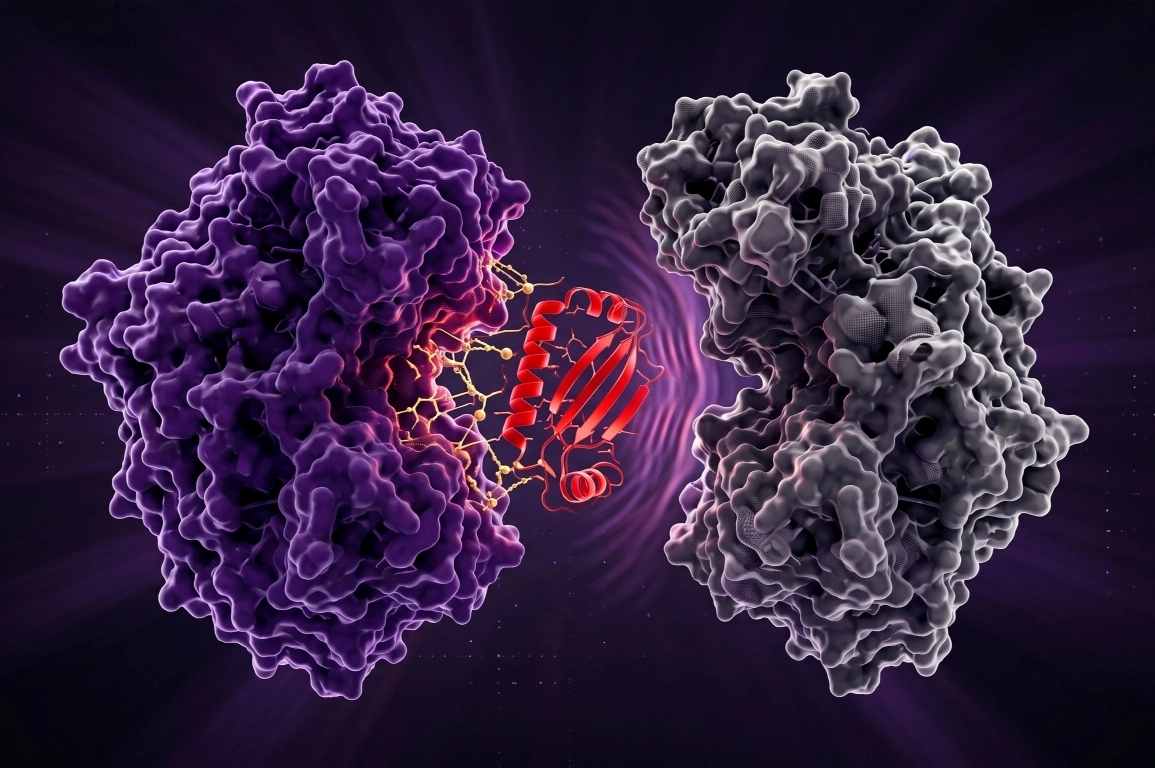
Direct, high-affinity competitive disruption of targeted protein-protein interaction interfaces. Our binders act as physical shields, shutting down downstream oncogenic signaling across traditionally undruggable flat surfaces.
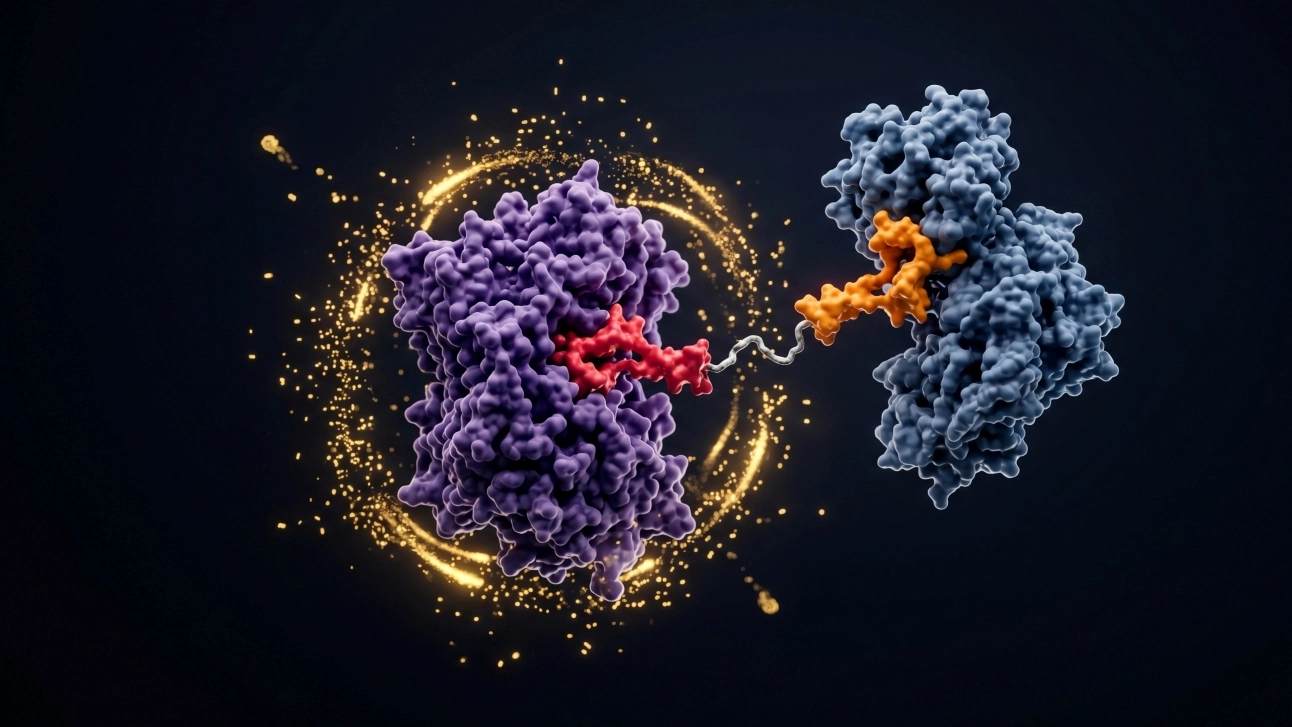
Bifunctional chimera systems that hijack native cell biology. By mechanically cross-linking your target straight to intracellular degradation machineries, we achieve complete catalytic elimination of the target protein.
Real-time performance metrics from the ProxAI Engine.
From sequence design to Validated Lead.
Comparing AI-Fold to Ground Truth
Connect with our business development and scientific advisory teams.
Submit your details below to schedule an exploratory briefing and initiate mutual NDAs.


Embedded within the prestigious IRCM, our physical laboratory bridges the critical gap between in silico generation and in vitro reality.
Rapid, large-scale screening of computationally engineered binders. Executing proprietary validation workflows within native cellular contexts.
Direct integration with top-tier microscopy, genomics, proteomics, immunology, and oncology resources, enabling accelerated development pipelines.